PUBG Mobile
Popular Now









Most PUBG Mobile players eventually hit a wall. They know the maps, can control recoil reasonably well, and usually survive long enough to reach the top 15. Yet the Chicken Dinner still feels frustratingly out of reach. If that sounds familiar, you’re probably not missing mechanical skill. You’re missing habits.
After hundreds of hours across Erangel, Miramar, Livik, and Sanhok, one pattern becomes impossible to ignore. The players who consistently climb the ranks don’t necessarily have the fastest reflexes or the flashiest highlight reels. They simply make fewer bad decisions over the course of an entire match.
That’s why you’ll often lose to someone whose aim looked average but whose positioning, timing, and patience made every engagement feel unfair.

This guide isn’t about secret sensitivity settings or magical control layouts. It’s about the everyday habits that quietly separate average players from the ones who seem to make the right decision almost every time.
The Biggest Difference Isn’t Aim
If there’s one misconception that keeps players stuck, it’s believing aim is everything.
Good aim certainly wins close-range duels, but PUBG Mobile isn’t a deathmatch. It’s a survival shooter where every fight has context. Winning one battle means very little if it leaves you exposed to another squad waiting on the next ridge.
One of the biggest surprises after watching high-ranked players for years is how often they avoid fights instead of chasing them. They don’t shoot simply because an enemy appears. They shoot when the fight benefits them.
That difference becomes obvious after spectating experienced players. While average players see an enemy, great players first see information.
They ask themselves questions without even realizing it.
- Is that player alone?
- Where are their teammates?
- Do we have cover if this goes wrong?
- Is the next circle about to move?
- Will this fight attract another squad?
Those questions take less than two seconds to answer, but they completely change the outcome of the next thirty.
A common example happens near Pochinki. Imagine spotting a player crossing the road from 180 meters away. The average reaction is immediate fire. Missing a few shots isn’t even the real problem. The gunfire instantly announces your position to every nearby team, while the target safely reaches cover.
Experienced players often let that opportunity go. Instead, they rotate into the next safe area, gain superior positioning, and wait until the odds shift heavily in their favor. From the outside it looks passive. In reality, it’s disciplined.

If decision-making is an area you want to sharpen, PUBG Mobile Decision Making: Why Good Players Win More Fights explores why choosing the right fight is often more valuable than winning the current one.
The longer you play, the more obvious this truth becomes.
Mechanical skill helps you survive a gunfight.
Judgment helps you survive the entire match.
Great Players Always Think Before They Shoot
The best PUBG Mobile players rarely react first. They observe first.
That may sound slow, but it’s actually what allows them to play faster later. Because they’ve already gathered enough information, they spend less time recovering from bad situations.
One habit that stands out after watching Conqueror-level gameplay is how frequently players pause for a second before firing. It’s not hesitation. It’s confirmation.
Instead of asking, “Can I knock this player?”
They’re asking, “What happens after I knock this player?”
That single shift in thinking changes everything.
They collect information before creating noise
Every bullet gives away your location.
That’s why experienced players spend more time scanning than shooting. They check nearby compounds, listen for footsteps, count vehicles, and watch for open doors before committing.
Sometimes the smartest play is simply waiting ten more seconds.
That patience often reveals another squad rotating into the same area, turning what looked like a fair fight into an easy third-party opportunity.
You’ll notice this constantly during late-game circles. Skilled players gather information long before they expose themselves.
They always know where teammates are
Even in random squads, good players glance at the minimap almost as often as the battlefield.
Nothing is more frustrating than pushing confidently only to realize your teammates are still looting two compounds behind you.
The strongest squads don’t necessarily communicate more. They naturally stay within supporting distance.
That means if one player gets knocked, the others can immediately trade damage, revive safely, or force the enemy to retreat.
They already know their exit plan
Average players enter fights thinking about victory.
Great players enter fights thinking about survival.
Before peeking a window or pushing a ridge, experienced players instinctively identify nearby rocks, trees, smoke cover, or buildings they can retreat toward if things go badly.
This habit rarely appears in highlight videos because successful retreats aren’t exciting.
They are, however, one of the biggest reasons strong players stay alive longer.
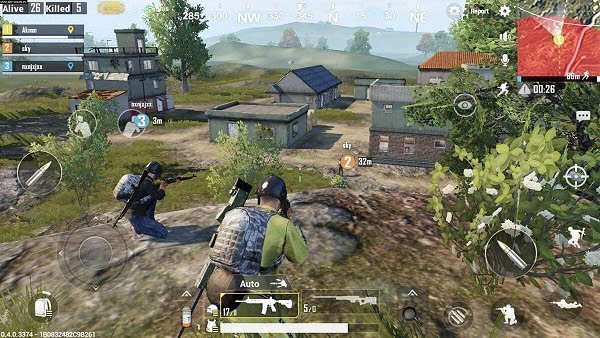
Learning to predict how enemies are likely to react makes these escape decisions much easier. How to Predict Enemy Movement in PUBG Mobile explains the small patterns experienced players recognize before a firefight even begins.
They don’t confuse confidence with aggression
There’s an old joke among veteran PUBG Mobile players.
“The loudest squad usually leaves the lobby first.”
It isn’t entirely wrong.
Many average players believe constant aggression equals confidence. Experienced players understand that unnecessary aggression usually creates unnecessary risk.
Sometimes the strongest move is refusing an average fight because a better one is about to appear.
That mindset doesn’t feel exciting in the moment, but it wins far more matches over an entire season.
Loot Faster Instead of Looting More
One of the easiest ways to identify an average player is by watching how long they stay in their first landing area.
There always seems to be one more building worth checking.
One more crate.
One more attachment.
One more first aid kit.
Five minutes later, the first blue zone arrives, nearby squads already control the strongest positions, and the team begins rotating from a disadvantage.
Good players understand that loot has diminishing returns.
The difference between an empty backpack and a fully equipped one is enormous.
The difference between a Level 2 helmet and a slightly better scope often isn’t.
After enough matches, you start noticing that most winning games don’t involve perfect equipment. They involve reaching important positions before everyone else.
Experienced players usually follow an invisible rule.
Once they have a reliable primary weapon, enough ammunition, healing supplies, and basic armor, they leave.
Everything else can come from defeated enemies.
This doesn’t mean ignoring valuable upgrades. It means recognizing when extra looting stops increasing your chances of winning.
| Habit | Average Player | Great Player |
|---|---|---|
| Landing phase | Searches every building | Prioritizes essential loot only |
| Inventory | Carries too many attachments | Keeps space for healing and utility |
| Rotation timing | Leaves after fully looting | Leaves once combat-ready |
| Mid-game upgrades | Searches empty compounds | Upgrades through defeated enemies |
| Circle priority | Loot first | Position first |
Table 1. How looting habits affect long-term consistency in PUBG Mobile.
Note: Exceptional loot locations and hot drops can temporarily change priorities, but across hundreds of matches, early rotations consistently provide a higher chance of reaching the final circles than chasing perfect gear.
They Constantly Watch the Mini Map
One of the easiest ways to tell how experienced someone is has nothing to do with their accuracy. Watch their eyes instead.
Average players spend almost the entire match looking through the scope or at the center of the screen. Experienced players glance at the mini map every few seconds, almost like checking the mirrors while driving a car. It becomes automatic after enough hours.
The mini map isn’t just a navigation tool. It’s a live source of information, and information wins far more games than perfect recoil control.
A simple example happens on Erangel all the time. Your squad finishes looting Yasnaya Polyana and starts rotating toward the safe zone. Suddenly, a teammate fires at a vehicle crossing an open field. The fight looks tempting, but a quick glance at the mini map shows another squad firing from the opposite hill.
Many players continue shooting anyway and end up sandwiched between two teams.
Experienced players stop immediately. They already know the fight has become low value.
The best habit isn’t memorizing every icon. It’s asking yourself one question every few seconds.
“What changed since I looked last?”
Sometimes it’s the shrinking blue zone.
Sometimes it’s a teammate drifting too far away.
Sometimes it’s a vehicle approaching from behind.
Sometimes it’s complete silence where there should have been gunfire.
Every small detail changes the next decision.
If reading audio cues is something you want to improve alongside map awareness, Mastering Footstep Audio and Sound Cues explains how experienced players combine sound and visual information before committing to a fight.
Information worth checking every few seconds
While you shouldn’t stare at the mini map nonstop, there are several details that deserve constant attention.
- Circle timing and the next rotation.
- Distance between teammates.
- Nearby gunfire indicators.
- Vehicle movement.
- Knocked teammates requesting help.
- Enemy footsteps or directional sound markers.
Players who build this habit eventually stop reacting to surprises because they see most situations developing before they happen.
Winning the Circle Matters More Than Winning Every Fight
One of the biggest mindset shifts in PUBG Mobile happens when you stop treating every enemy as an objective.
The goal isn’t to collect eliminations.
The goal is to be the last squad standing.
That sounds obvious, yet countless matches are thrown away because players confuse activity with progress.
There was one match on Miramar that perfectly illustrates this. Two squads were exchanging sniper shots across a valley for nearly three minutes. Both teams landed impressive headshots, revived teammates multiple times, and burned through most of their healing supplies.
Meanwhile, another squad quietly rotated into the final safe zone, occupied the only compound left inside the circle, and watched the chaos unfold.
Neither of the fighting teams reached the top three.
The patient squad won without taking a risky engagement.
That’s PUBG Mobile in a nutshell.
Position often has a greater impact than kill count.
Great players constantly evaluate whether a fight improves their chances of winning the match or simply satisfies the urge to shoot.
Before engaging, they mentally check three factors.
| Question | Average Player | Great Player |
|---|---|---|
| Does this fight improve my position? | Rarely considers it | Always checks first |
| Will the next circle punish this fight? | Thinks about it later | Plans around it immediately |
| Is the reward worth the risk? | Focuses on the potential kill | Focuses on long-term survival |
| Can another squad hear us? | Often ignored | Always considered |
Table 2. Decision-making priorities before starting a fight.
Note: These questions become even more important in Crown, Ace, and Conqueror lobbies, where unnecessary engagements are punished much more consistently.
If rotating efficiently still feels difficult, How to Read the Circle and Rotate Like a Pro breaks down why experienced players often arrive in strong positions long before the final zone begins to shrink.
By the time the last few circles appear, positioning is rarely an accident. It’s usually the result of several smart decisions made ten minutes earlier.
Good Players Know When to Stop Chasing
Every PUBG Mobile player remembers the feeling.
You crack an enemy’s armor.
They sprint behind a rock with almost no health.
Your heart starts racing because the elimination feels guaranteed.
Then everything goes wrong.
You leave your cover.
Another squad appears from the side.
The “easy kill” becomes a trip back to the lobby.
This habit probably costs more matches than poor aim.
Experienced players understand something that takes hundreds of games to fully appreciate.
A damaged enemy is often more dangerous than a healthy one because they tempt you into making reckless decisions.
Good players rarely chase because they’re emotional. They chase because the numbers make sense.
They already know:
- The enemy is isolated.
- Their teammates are too far away to help.
- The next circle won’t punish the push.
- Their own squad can provide cover.
- They have an escape route if things change.
If even one of those conditions disappears, they often cancel the push.
That decision feels frustrating at first.
Watching an enemy escape with five percent health almost feels like wasting an opportunity.
Ironically, letting one player survive is often what allows your entire squad to survive long enough to win the match.
A useful mental trick is replacing one question with another.
Instead of asking:
“Can I finish this player?”
Ask:
“What happens if this chase lasts another thirty seconds?”
That tiny change immediately forces you to think about third parties, circle pressure, teammate positioning, and available cover.
Those are exactly the things experienced players naturally consider before moving.
Moments when backing off is usually the smarter decision
Not every fight deserves to continue. Some situations are almost always worth disengaging from.
- Your squad has already secured a favorable position inside the next circle.
- Multiple teams have started firing toward your location.
- A teammate is knocked and can still be revived safely.
- Your healing supplies are running low.
- The enemy is pulling you into unfamiliar terrain with little cover.
Walking away from a fight never looks impressive on a highlight reel.
Winning the match afterwards usually feels much better than collecting one extra elimination halfway through the game.
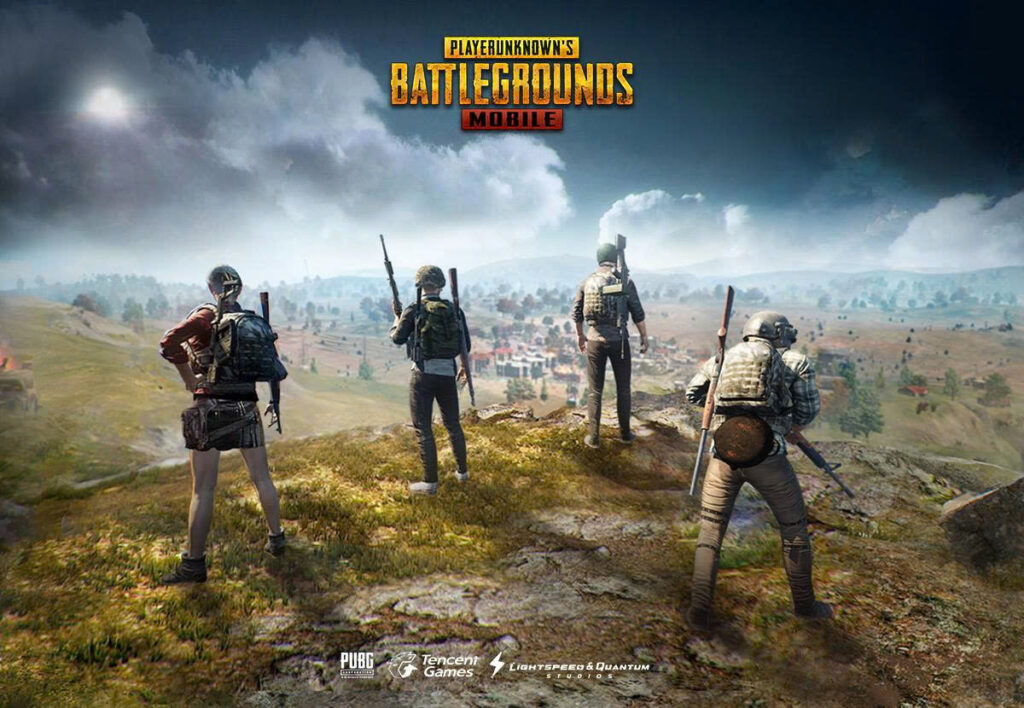
By the time players consistently reach Ace or Conqueror, they no longer measure success by their kill count alone. They measure every decision by a much simpler question.
Did that decision increase the odds of seeing the final circle?
Great Players Treat Every Match as Practice, Not a Rank Grind
The players who improve the fastest usually care less about the result of any single match.
That sounds backwards, especially in a game where everyone wants to protect their rank, but it’s surprisingly accurate.
Average players enter a match hoping to gain points.
Great players enter with one specific skill they want to improve.
Some nights it’s close-range shotgun fights.
Other nights it’s vehicle rotations.
Sometimes it’s surviving hot drops without relying on luck.
This shift completely changes how losses feel.
Instead of saying, “I lost another 28 rank points,” experienced players ask, “Did I get better at what I practiced?”
Ironically, rank improves much faster once that becomes your focus.
One habit that helped many long-time players was creating a simple objective before pressing Start.
Today’s goal isn’t “win.”
Today’s goal is “make better decisions during every rotation.”
Or maybe it’s “never reload in the open.”
Those goals are measurable, repeatable, and actually under your control.
Winning isn’t.
If you’re looking for structured ways to improve instead of relying on random matches, The Best PUBG Mobile Training Routine for Faster Improvement can help turn casual playtime into deliberate practice.
Examples of productive match goals
| Match Objective | Why It Works |
|---|---|
| Survive until the top 20 without hiding | Builds smarter positioning |
| Practice only head-level crosshair placement | Improves reaction speed |
| Rotate before the blue zone forces movement | Creates better map awareness |
| Communicate every enemy position clearly | Strengthens squad coordination |
| Avoid unnecessary peeks | Reduces preventable knockdowns |
Table 3. Small match objectives that create long-term improvement.
Note: One focused habit practiced across ten matches usually produces more progress than playing fifty games on autopilot.
They Stay Calm After Making Mistakes
One bad decision often causes five more.
Anyone who has played PUBG Mobile long enough has experienced this sequence.
You lose a close gunfight that should have been an easy win.
The next game, you hot drop out of frustration.
You die again.
Now you’re annoyed.
The following match becomes rushed because you’re trying to “get your points back.”
At that stage, the enemy isn’t your biggest problem anymore. Your own decision-making is.
Great players understand something that doesn’t show up in statistics.
Tilt changes positioning before it changes aim.
A frustrated player peeks wider.
Pushes faster.
Stops listening to teammates.
Starts blaming luck instead of asking what could have been done differently.
One of the simplest habits used by experienced players is reviewing the previous death before queueing again.
Not for ten minutes.
Just twenty seconds.
Ask yourself three questions.
Did I have enough information?
Did I choose the correct fight?
Would I make the same decision again?
If the answer to the last question is yes, then the death may simply have been part of the game. Not every correct decision leads to victory.
That distinction is important because players who judge themselves only by results often develop bad habits without realizing it.
They Respect Every Opponent
Confidence wins fights.
Overconfidence loses tournaments.
There’s a subtle difference between the two.
Many players become reckless after securing several eliminations early in the match. They assume every remaining opponent is weaker because the previous fights felt easy.
Veteran players rarely fall into that trap.
In PUBG Mobile, the last surviving squad usually isn’t the one with the highest kill count. It’s the one that made the fewest expensive mistakes.
That unknown player hiding inside a small shack might be a beginner.
Or they might be an Ace Dominator patiently waiting for someone to sprint across an open field.
You don’t know.
That’s why experienced players clear every building carefully, check every angle, and throw utility even when they think nobody is inside.
Respect isn’t fear.
It’s consistency.
The players who consistently reach high ranks behave the same way whether they’re fighting bots, casual players, or tournament veterans.
They don’t suddenly abandon good habits because the lobby feels easy.
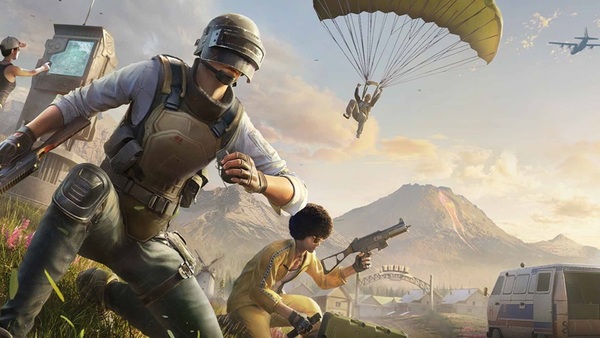
If your goal is climbing beyond Ace, Common PUBG Mobile Mistakes That Keep Players Stuck in Ace Rank explains why experienced players often plateau for reasons that have nothing to do with mechanical skill.
The funny part is that disciplined gameplay can actually feel boring at first. It doesn’t create flashy clips every match.
It simply keeps producing top-five finishes over and over again.
Eventually, that’s what separates a player with occasional highlight moments from someone who reaches the highest ranks season after season.
Great Players Build Systems Instead of Depending on Motivation
Motivation is unreliable.
Some evenings you’ll feel locked in. Your aim feels crisp, rotations make sense, and every decision seems automatic.
The next day, with the same phone, the same sensitivity, and the same teammates, everything falls apart.
That’s normal.
The difference is that average players believe they suddenly became worse.
Experienced players know they simply need systems that work even on bad days.
Think about professional athletes. They don’t wake up every morning hoping inspiration appears. They follow routines because routines reduce inconsistency.
PUBG Mobile is no different.
Many high-ranked players quietly follow the same sequence before every session. They warm up in Training Grounds for ten minutes, adjust their fingers to recoil control, play one unranked match to reset their timing, then enter ranked games.
It sounds boring.
That’s exactly why it works.
Consistency almost always beats intensity over hundreds of matches.
If you’re constantly changing sensitivity, HUD layout, gyroscope settings, or button positions because a YouTuber uploaded a “best settings” video yesterday, you’re forcing your brain to relearn muscle memory every week.
Instead of chasing perfect settings, spend enough time mastering one setup.
If you’re still experimenting with controls, Best PUBG Mobile Sensitivity Settings for Every Play Style explains why there isn’t one universal configuration that magically improves everyone’s aim.
Improvement Usually Looks Invisible Before It Looks Obvious
One reason players quit improving is because they’re measuring the wrong things.
They expect visible results too early.
The reality is much less satisfying.
You’ll spend two weeks learning better positioning before your KD changes.
You’ll practice crosshair placement for dozens of matches before those headshots become automatic.
You’ll improve rotations long before your average survival time noticeably increases.
Progress compounds quietly.
Looking back after three months often reveals improvements that were impossible to notice week by week.
A useful way to track progress is by measuring decisions instead of statistics.
| Poor Measurement | Better Measurement |
|---|---|
| Did I win? | Did I rotate before the zone forced me? |
| How many kills? | Did I choose the correct fights? |
| What’s my KD today? | Did I avoid unnecessary deaths? |
| Did I rank up? | Did I repeat yesterday’s mistakes? |
Table 4. Decision-based improvement creates more stable long-term growth than scoreboard-based evaluation.
The scoreboard tells you what happened.
Your decisions explain why it happened.
Final Thoughts
Most PUBG Mobile guides focus on sensitivity values, recoil patterns, weapon rankings, or the newest meta.
Those things matter.
But they’re rarely what separates an average player from a genuinely great one.
The biggest gap usually appears long before the first bullet is fired.
It’s visible in preparation, patience, discipline, emotional control, and the willingness to review mistakes instead of making excuses.
After watching countless teammates over the years, one pattern keeps repeating itself.
The players who improve the fastest aren’t always the most talented. They’re the ones who remain curious even after hundreds or thousands of matches.
They still ask why they lost.
They still experiment with smarter rotations.
They still review bad fights instead of blaming ping, teammates, or luck.
Eventually those tiny habits become automatic.
When that happens, people assume the player has “natural talent.”
In reality, they’re just seeing the result of hundreds of invisible decisions made correctly over time.
If there’s one habit worth adopting after reading this guide, it’s simple.
Play your next match with one improvement goal instead of one rank goal.
Do that consistently for a month, and you’ll probably surprise yourself with how much easier difficult fights begin to feel.
Before jumping into another ranked session, it’s also worth checking The Complete PUBG Mobile Beginner’s Guide if you want to reinforce the fundamentals, or How to Win More Chicken Dinners in PUBG Mobile if your next step is converting good matches into consistent victories.
Frequently Asked Questions
Do professional PUBG Mobile players use the same habits as casual high-rank players?
Yes. Professional players typically rely on consistent routines, disciplined positioning, communication, and decision-making far more than mechanical skill alone. Their habits are simply executed at a much higher level.
Does using Gyroscope automatically make you a better player?
No. Gyroscope improves recoil control and precision only after consistent practice. Players switching to it should expect an adjustment period before seeing benefits.
Should I copy a pro player’s sensitivity settings?
Not necessarily. Sensitivity depends on device size, frame rate, finger placement, and personal comfort. A setup that feels perfect for one player may feel uncontrollable for another.
Is hot dropping the fastest way to improve?
It improves close-range fighting, but only one aspect of the game. Mixing hot drops with full matches develops better rotations, resource management, and endgame decision-making.
Why do some players stay stuck in Ace every season?
Most are not limited by aim. They repeat the same positioning mistakes, overcommit to unnecessary fights, and rarely analyze their previous matches.
Why do experienced players seem so calm during final circles?
Because they have seen similar situations hundreds of times. Experience reduces panic, allowing better decisions under pressure.
Can playing more matches alone make me better?
Only if those matches include deliberate practice. Repeating poor habits for hundreds of games usually reinforces mistakes instead of fixing them.
How long does it usually take to notice meaningful improvement?
For most players, consistent practice begins producing noticeable changes after several weeks rather than a few days. Decision-making improves before statistics do.
What’s the fastest habit to improve if I only have 30 minutes a day?
Focus on crosshair placement. Keeping your aim at head level becomes automatic over time and improves almost every gunfight without requiring extra mechanical skill.
Why do I perform worse after winning several matches?
Success often creates overconfidence. Players become impatient, take unnecessary risks, and abandon the disciplined decisions that earned those earlier victories.
Is surviving more important than getting kills?
In ranked matches, smart survival combined with selective engagements generally produces more consistent rank progression than chasing every fight.
What’s the single habit that separates good players from great ones?
Great players evaluate their own decisions after every match. They treat each game as feedback instead of proof that they are either talented or unlucky.